
A garage door that starts to close and then goes back up is almost always a safety-system message, not a broken door. Nine times out of ten the cause is the two photo-eye safety sensors near the floor: they are misaligned, dirty, or blocked, so the opener refuses to close and reverses instead. Start there. Clear anything in the beam path, wipe the lenses, and make sure both sensor lights glow steady. If the sensors check out, the next most likely causes are the opener’s close-limit or close-force settings drifting out of adjustment, or something binding in the tracks. The good news is that this rarely involves a major mechanical job like broken garage door spring repair, and it is almost never a sign you need custom garage doors. Springs are not usually the culprit here, but if adjustments do not fix it, call a technician before you keep forcing the door.
Key Takeaways
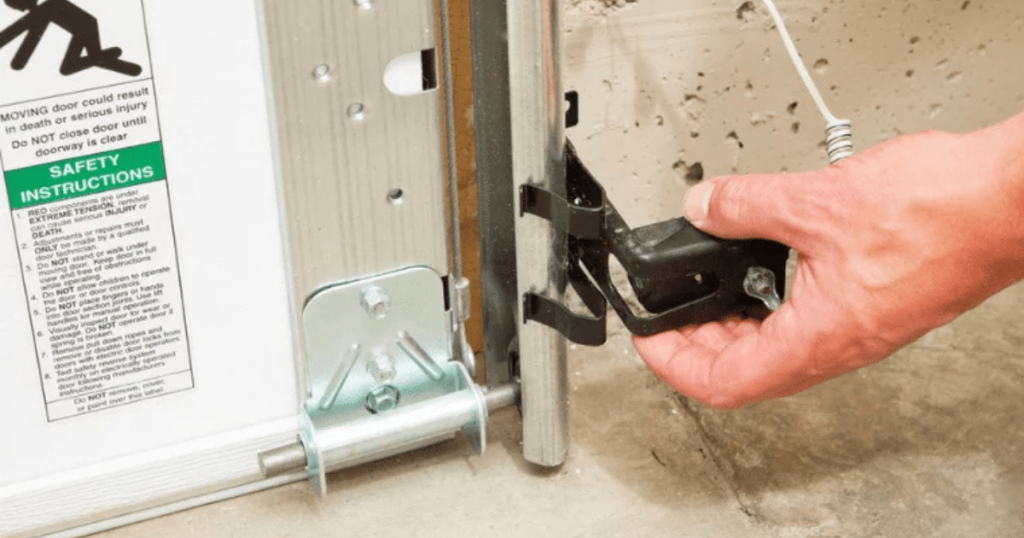
- The reversing behavior is a safety feature working as designed. The opener reverses because it thinks something is in the way.
- The number one cause is a safety-sensor problem: misaligned, dirty, or blocked photo-eyes near the floor.
- If the door reverses only at night or on sunny afternoons, suspect the sensors (moisture, temperature, or sun glare).
- If the sensors are fine, the close-limit setting or the close-force setting has usually drifted and needs a small adjustment.
- Debris, a bent track, or a worn roller can cause binding that the opener reads as an obstruction.
- Do not keep hitting the button to force it closed. Repeated straining can damage the opener and mask the real cause.
1. The Safety Sensors Are Misaligned
The most common reason a garage door reverses before closing is a pair of misaligned photo-eye sensors. These two sensors, mounted a few inches off the floor on each track, shine an invisible beam across the opening. If the beam is broken or the sensors are not pointed at each other, the opener will not close the door.
How to Fix Misaligned Garage Door Safety Sensors
- Find the two sensors 4 to 6 inches above the floor on each side of the door.
- Check the indicator LEDs. When aligned, both glow steady (colors vary by brand). A blinking or dark LED means they are misaligned.
- Loosen the wing nut or bracket on the blinking sensor and gently pivot it until its light goes steady.
- Tighten the bracket without knocking it back out of alignment, then test the door.
Call a pro if: the LEDs will not hold steady after careful alignment, which can mean a damaged sensor or wiring.
2. The Sensor Lenses Are Dirty, Blocked, or Sun-Glared
Even perfectly aligned sensors will stop the door if something is interrupting the beam. Dust, cobwebs, a leaning broom, a trash can, or direct sun hitting the lens can all trigger a reverse.
Why Your Garage Door Reverses Only Sometimes
- Look for any object breaking the beam path, even a thin one like a cord or a stray leaf.
- Wipe both lenses gently with a soft, dry cloth. A film of dust is enough to cause intermittent reversing.
- If it only happens in late afternoon, direct sunlight may be blinding the receiving sensor. A small sun shield or a slight bracket adjustment fixes this.
- If it only happens in cold or damp weather, condensation on the lens can be the cause.
Call a pro if: cleaning and shielding do not stop intermittent reversing, which points to a failing sensor.
3. The Close-Limit (Travel) Setting Is Off
If the sensors are fine but the door still reverses right as it reaches the floor, the opener’s close-limit setting is likely too far. The opener thinks the door has hit an obstruction when it actually just reached the ground, so it reverses.
How to Adjust a Garage Door That Reverses at the Floor
- Rule out the sensors first (Causes 1 and 2), since they produce the same symptom.
- Locate the travel-limit adjustment (screws or buttons) on the motor unit. Check your owner’s manual for the exact location.
- Reduce the “down” travel in small increments so the door seats fully on the floor without pressing hard into it.
- Test after each small change. The goal is a door that closes flush and stays closed.
Call a pro if: you cannot get the door to both close fully and stay closed, or the manual is missing for your model.
4. The Close-Force Setting Is Too Sensitive
Openers have a force setting that controls how hard they push. If it is set too sensitive, normal resistance is misread as an obstruction and the door reverses. This often shows up after a season change, when a slightly stiffer door needs a touch more force.
How to Fix Garage Door Close-Force Sensitivity
- Find the force-adjustment control on the motor unit (separate from the travel limits).
- Increase the close force in very small steps, testing each time.
- Safety-test after adjusting: lay a roll of paper towels flat under the door and close it. The door must reverse when it touches the roll. If it does not, you have gone too far. Back it off.
Call a pro if: the door needs a lot of force to close, because that usually means an underlying mechanical problem (see Cause 5) rather than a settings issue.
5. Something Is Binding in the Tracks or Rollers
If the door hesitates, jerks, or reverses partway down (not just at the floor), a physical obstruction or binding in the tracks is often the cause. The opener feels the resistance and reverses to protect people and the door.
Why Your Garage Door Reverses Partway Down
- Inspect both tracks for dents, debris, hardened grease, or a bolt sitting in the path.
- Check that the rollers are seated and turning freely. A seized roller drags and creates resistance.
- Clean the tracks and remove buildup. Avoid over-greasing, which attracts grit.
- Look for a track pulling away from the wall or a bent section.
Call a pro if: a track is bent or a roller or cable is damaged. Do not keep forcing a binding door.
6. Damaged Sensor Wiring or a Failing Logic Board
If you have checked sensors, limits, force, and tracks and the door still reverses, the problem is likely in the wiring or the opener’s logic board. A pinched, corroded, or chewed sensor wire sends a false “blocked” signal, and an aging board can misread inputs.
Signs of a Garage Door Wiring or Board Problem
- Reversing that happens randomly with no visible obstruction and steady sensor lights.
- Staples or nails pinching the low-voltage sensor wire along the wall.
- An opener more than 10 to 15 years old behaving erratically.
Call a pro if: you suspect wiring damage or a board fault. These need a meter and a proper diagnosis, and a technician can tell you whether a repair or an opener replacement is the smarter spend. A reversing door is a nuisance rather than an emergency, so this is not usually emergency garage door repair territory, and it is unrelated to mechanical fixes such as garage door cable repair. If a frayed cable ever is involved, though, stop using the door and have it looked at right away.
DIY-Safe vs. Call-a-Pro: Quick Reference
| Problem | Safe to DIY? | Why |
| Aligning the safety sensors | ✅ Yes | Pivot the bracket until the light is steady |
| Cleaning lenses / clearing the beam | ✅ Yes | Wipe and remove obstructions |
| Adding a sun shield for glare | ✅ Yes | Simple, no tools needed |
| Small close-limit adjustment | ⚠️ Sometimes | Minor tweaks only; stop if it slams |
| Small close-force adjustment | ⚠️ Sometimes | Must pass the reverse safety test |
| Clearing track debris / cleaning tracks | ✅ Yes | Light maintenance |
| Bent track or damaged roller | ❌ No | Mechanical repair under load |
| Damaged cable | ❌ No | Under tension, door can drop |
| Pinched wiring or failing logic board | ❌ No | Needs a meter and diagnosis |
Bottom Line: Check the Sensors First, Then the Settings
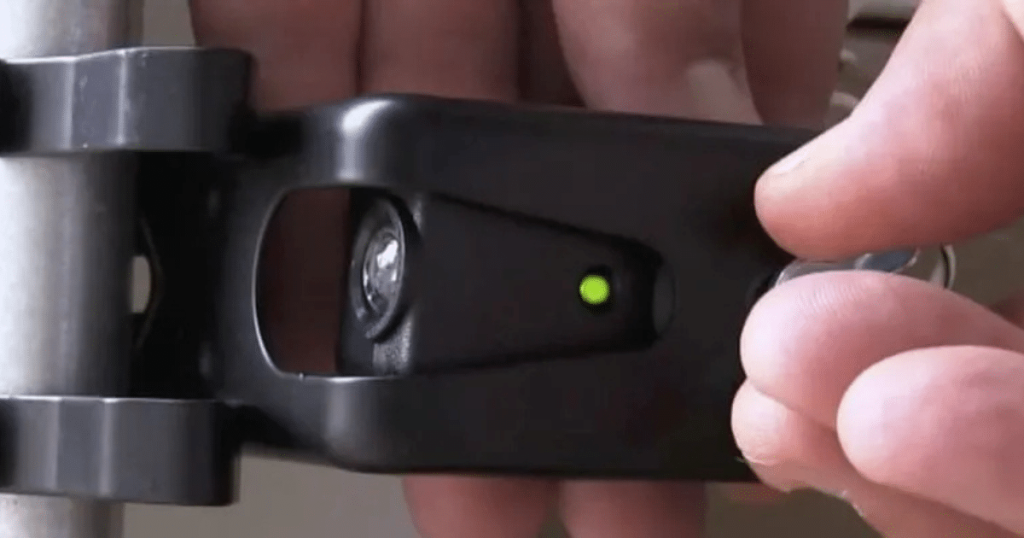
A garage door that reverses before closing is trying to tell you something, and the message is almost always “I think something is in the way.” Start with the two safety sensors: align them, clean them, and clear the beam. That solves the large majority of cases. If the sensors are healthy, move to the close-limit and close-force settings, then check the tracks. What you should not do is keep pressing the button to force it, because that can hide the real problem and wear out the opener.
This guide expands on one item from our full troubleshooting resource. For the complete list, see the master guide: Why Won’t My Garage Door Work? 10 Most Common Reasons (and How to Fix Each One). If the issue is really your remote and not the door, see Why Won’t My Garage Door Remote Work? 7 Things to Check Before You Call a Tech. And if the door will not move at all, see Why Is My Garage Door Stuck and Won’t Open? 8 Reasons It Happens.
If you have aligned the sensors, checked the settings, and the door still reverses, Good Guys Garage Door Service can diagnose it fast and get your door closing safely again. Book a repair or request a free quote and we will handle it.